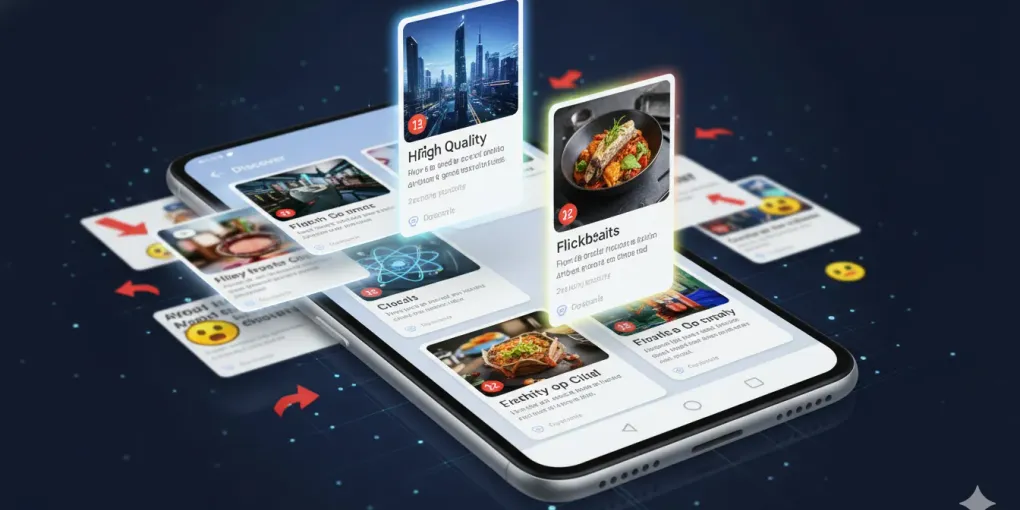
Google Discover Just Changed! Clickbait Is Out — Where's the New Traffic Opportunity for Independent Sites?
Hi everyone, this is Neo.
Anyone running an independent site knows that besides SEO search traffic, Google Discover is a massive “passive traffic” goldmine. Unlike active searches, Discover is a content feed Google pushes based on user interests. Once your article gets picked up by Discover, the traffic is often explosive.
But Google just made a big move.
In February 2026, Google released a core algorithm update for Discover (the Discover Core Update) — and quietly made major changes to the official “Get on Discover” documentation.
What signal does this update send? In short: Google is doing a big cleanup of “clickbait” and “junk content,” while opening the door wide for “quality experiences” and “professional content.”
Today Neo is going to walk you through the three key changes in this update, and how independent site sellers should respond.
Change 1: Open War on Clickbait
In the old documentation, Google’s advice on titles was relatively vague — something like “use page titles that capture the essence of the content, but don’t use clickbait tactics,” blurring the two ideas together.
In the new documentation, Google splits it into two clear instructions:
- “Use page titles and headlines that capture the essence of the content.”
- “Avoid using clickbait and similar tactics to artificially inflate engagement.”
Neo’s take: Note that this is the first time Google has directly used the word “clickbait” in official documentation. It means the algorithm can now more precisely identify those “shocking-style” or “you’ll regret missing this” bait titles. For those of us running B2B or B2C independent sites, we must stay honest when writing blogs or product stories. Titles should be attractive, but not “selling dog meat under a sheep’s head.” Whatever you promise in the title, the content has to deliver.
Change 2: Sensationalism Gets Demoted
Besides clickbait, Google also called out another tactic: sensationalism.
The old version said “avoid manipulating appeal by catering to morbid curiosity, shock, or anger.” The new version directly classifies it: “avoid using sensationalism to manipulate appeal.”
Neo’s take: Google wants Discover to be a healthy, useful feed — not a place full of anxiety, anger, or voyeurism. If your independent site content tries to grab eyeballs by manufacturing anxiety (like fake urgency — “buy now or it’s gone”) or exaggerating facts, your Discover traffic could take a cliff dive after this update. On the flip side, objective, calm, in-depth industry analysis and product reviews will get more opportunities.
Change 3: Page Experience Becomes a Hard Requirement
This is the biggest new addition in the update.
Google’s new documentation explicitly advises: “provide an overall good page experience” — and links directly to Google’s page experience documentation. In the old version, this item didn’t exist at all.
Neo’s take: This is a very strong technical signal. We used to think Discover mainly cared about whether content was “trending” or “interesting.” Now Google tells you plainly: if your site is bad, even great content won’t get recommended.
This includes:
- Loading speed (LCP): does the user have to wait forever to get in?
- Visual stability (CLS): does the layout jump around?
- Mobile optimization: is the reading experience good on phones?
For independent site sellers, optimizing Core Web Vitals is no longer just about search rankings (SEO) — now it directly determines whether you can eat from Discover’s recommendation traffic.
Summary: The Opportunity for Independent Site Sellers
This update is actually good news for us.
Google’s blog post makes clear the update aims to:
- Show more locally relevant content.
- Reduce sensationalism and clickbait.
- Show more original content from sites with specialized expertise.
Neo’s advice:
- Play the long game: don’t trick people into clicking with titles for short-term traffic — under the 2026 algorithm, that’s a death wish.
- Polish content quality: B2B sellers should write deep industry insights; B2C sellers should write real user stories and product reviews.
- Never stop technical optimization: check your site’s mobile loading speed and experience — that’s the ticket into Discover’s traffic pool.
The traffic dividend always belongs to those who genuinely create value for users.
References: